
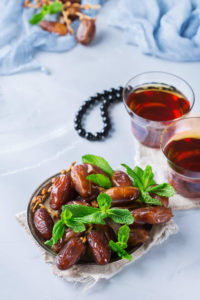
Dates carry a genuinely useful nutrient profile: vitamins A, B and C, along with minerals including phosphorus, calcium, iron and magnesium. That composition is well documented and doesn't need exaggeration — a handful of dates is a dense source of quick energy and fibre, which is why they're a standard fasting-break food during Ramadan.
What they aren't is a treatment for a medical condition. Claims that a food "prevents" high blood pressure, anemia, or regulates blood clotting belong to a doctor's assessment and lab work, not a fruit basket. If you have a diagnosed condition, dates can be part of a normal diet around it, but they don't substitute for medication or medical advice.
Quality varies a lot between suppliers — texture, sugar content and how fresh the stock is all depend on sourcing and storage. Kurma Mariami Shah Alam is one supplier worth checking if you're comparing where to buy from.
A practical way to buy
Look at the date's colour and skin: overly dry, cracked skin usually means older stock. Softer varieties like Mariami need cooler storage and shorter shelf life than firmer types like Ajwa or Safawi. Buying in smaller batches more often keeps quality higher than one large bag that sits in a warm kitchen for weeks.